Process2 min read
How argal paper is made, from the steppe to your business card
Every sheet of argal paper starts on the steppe and ends on a printing press. In between are six steps, the same six you scroll through at the top of our home page. Here they are, one at a time.
1. Gather
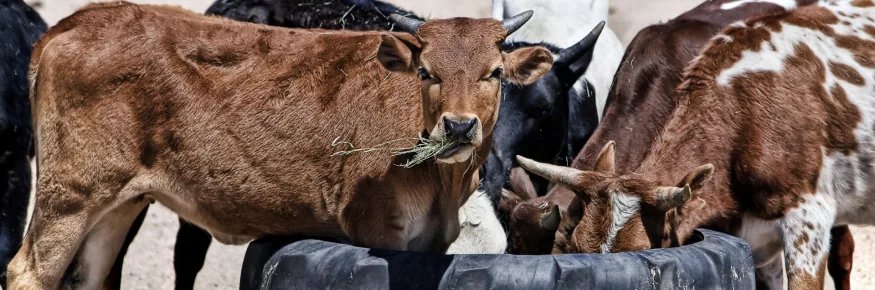
Argal is cow dung that has dried in the sun on the Mongolian steppe. Herders collect it and we buy it from them, so a waste material becomes a raw material, and an extra source of income for the families who gather it.
2. Grind
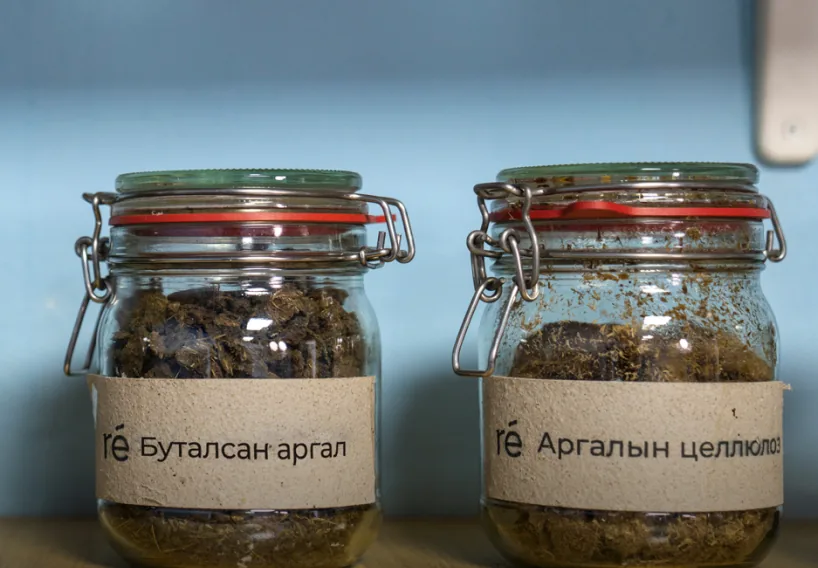
The dried argal is crushed and ground until its plant fibres come loose. What a cow eats is mostly grass, and grass is mostly cellulose, the same fibre that paper from trees is made of.
3. Pulp
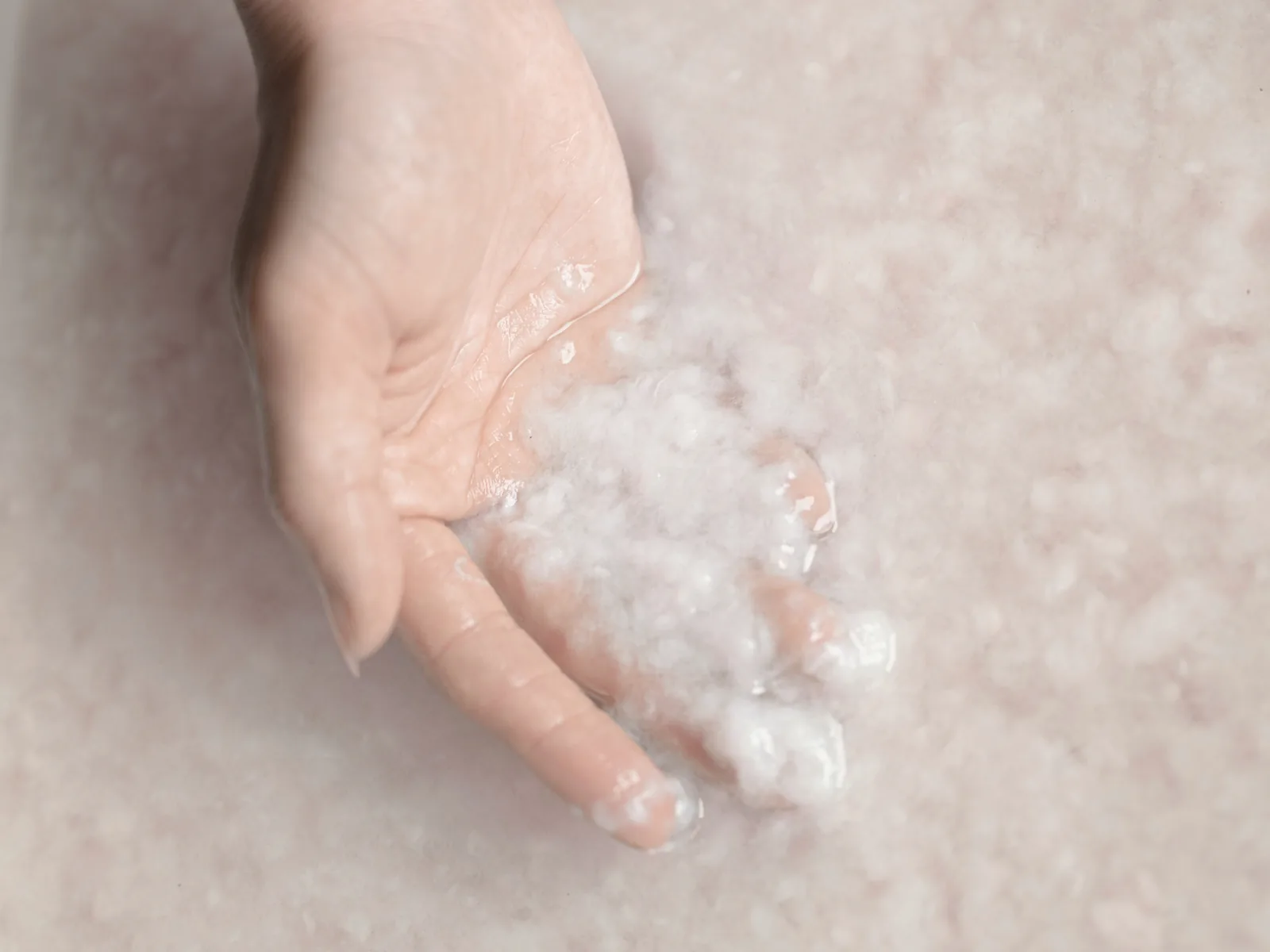
In the lab, the ground argal is cleaned and sterilised and its cellulose fibre is drawn out. What is left looks nothing like where it came from: a soft mass somewhere between cotton wool and marshmallow, with a faint brown tint.
This is the step that surprises people most, so much that we wrote a whole post about it.
4. Form
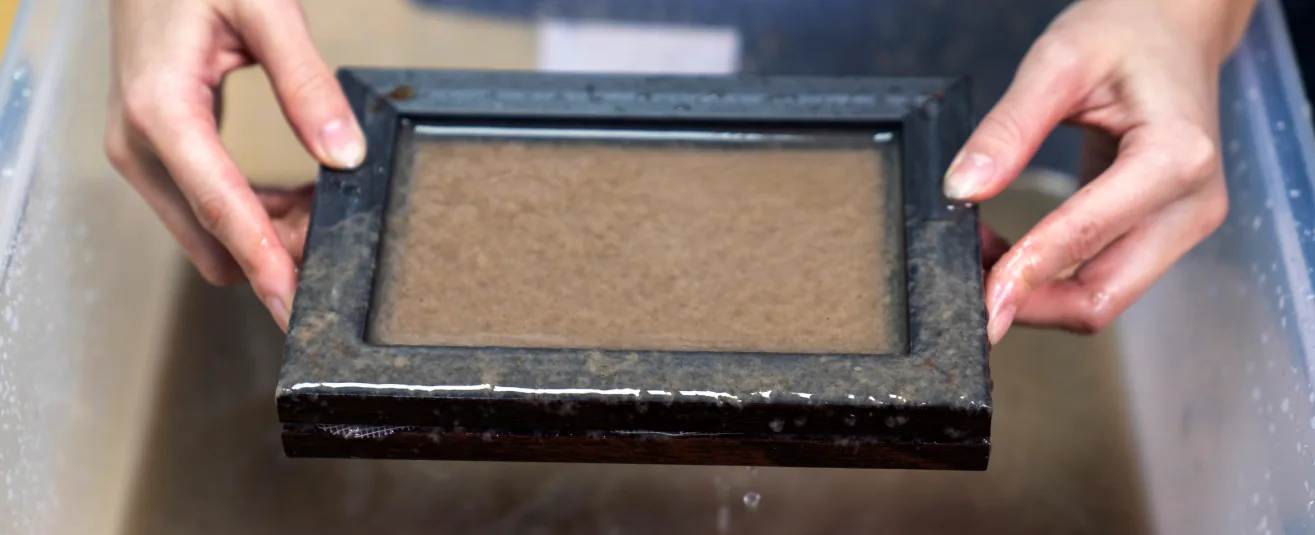
The fibre is beaten with water into pulp. A mould (a wooden frame with a fine screen) is dipped in and lifted out level, carrying a thin, even layer of pulp: one wet sheet.
5. Dry
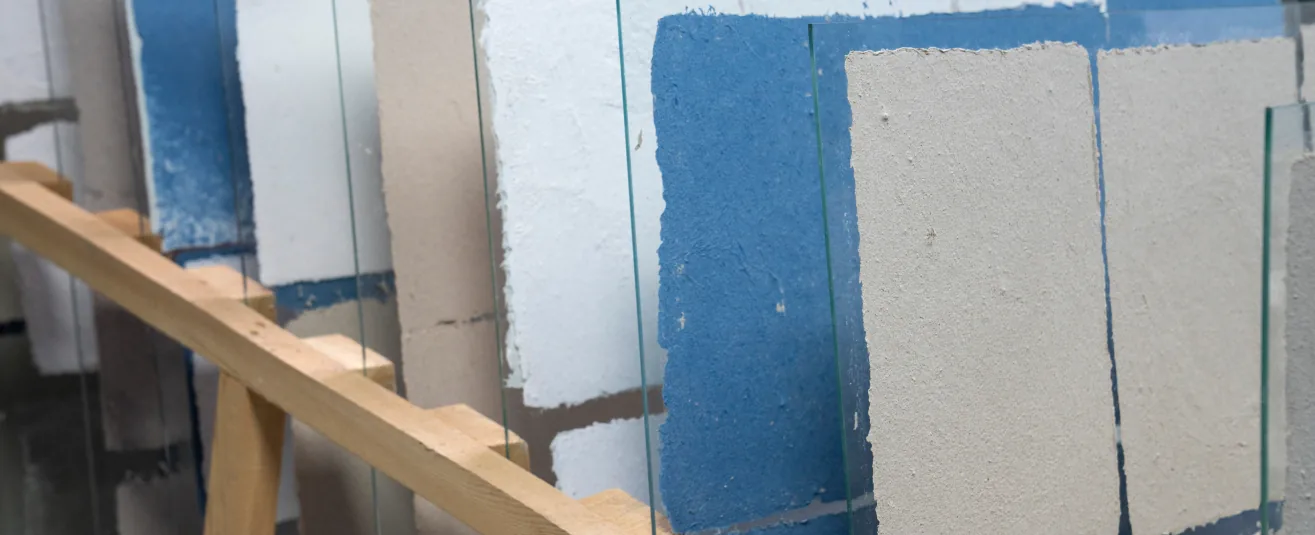
The sheets dry slowly on glass. As the water leaves, the colour settles into argal’s warm grey, flecked with fibre. Tone and texture vary a little from sheet to sheet, and that is part of the charm of a handmade paper.
6. Cut & print
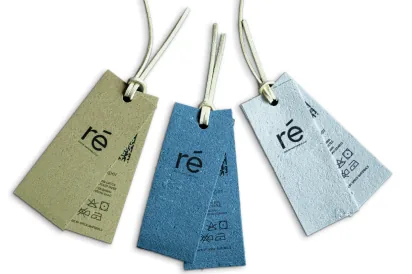
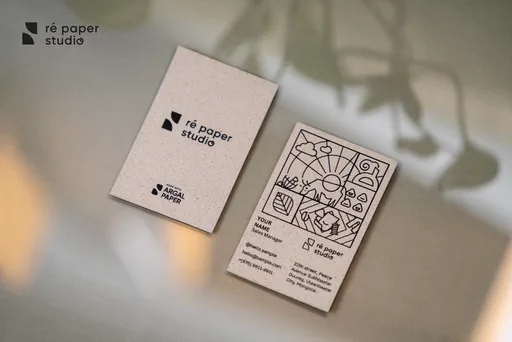
Dry sheets are trimmed and printed to order: business cards, tags, posters, notebooks. Most orders are ready in 1 to 3 days.
Share